
Child Therapy · Redondo Beach, CA
Helping Children Feel Safe, Understood, and Supported
For children experiencing anxiety, big emotions, behavioral challenges, sensory overwhelm, or difficulty expressing what they’re feeling — building confidence, emotional regulation, and stronger connections at home.
This is therapy for your child — one-on-one support built around their developmental stage — with you closely involved every step of the way.

Big Feelings Can Be Hard for Kids and Families
Some children experience emotions, sensory input, and everyday stress very strongly. When they get overwhelmed, it can look like anxiety, outbursts, pulling away, avoiding things, or behaviors that others might not understand.
Parents often tell me they feel unsure how to help. You may be supporting a child who worries constantly, struggles with transitions, becomes overwhelmed by sensory input, or has trouble explaining what's happening inside. School expectations, friendships, family changes, and daily routines can become difficult when a child feels overwhelmed and doesn't yet have the tools to express what they need.
You may notice:
Emotions getting big very quickly
Difficulty explaining feelings or needs
Anxiety about school, friendships, or being away from parents
Trouble with transitions, changes in routine, or unexpected situations
Becoming overwhelmed by noise, textures, crowds, or other sensory experiences
A hard time calming down after becoming upset
“Children have different temperaments, sensory needs, and ways of responding to stress. What looks like challenging behavior is often a child communicating that something feels hard, overwhelming, or unmet.”
Rather than judging those moments, therapy gives us a chance to become curious about what your child’s behavior might be telling us. As we better understand your child’s needs, we can help them feel more supported while strengthening connection within your family.
WHY FAMILIES REACH OUT
Common Reasons Families Reach Out
Big emotions that escalate quickly
Anxiety about school, friendships, or separation
Trouble calming down once upset
Difficulty with transitions and unexpected changes
Sensory overwhelm — noise, textures, crowds
Trouble expressing feelings or needs
What Child Therapy Can Offer
Children don't always communicate stress, anxiety, or overwhelm with words. Sometimes it shows up as emotional outbursts, withdrawal, avoidance, frustration, or behaviors that leave parents wondering what their child is trying to express. Rather than focusing only on changing behavior, therapy helps us become curious about what those behaviors might be communicating and what your child may need.
As children feel safe, understood, and supported, they can begin building the skills they need to navigate challenges at home, at school, and in their relationships.
Therapy may help your child:
Feel more confident expressing emotions
Learn ways to calm their body when they feel overwhelmed
Build coping skills for anxiety, stress, and big feelings
Navigate school, friendships, and everyday challenges with more confidence
Strengthen connection and communication within the family
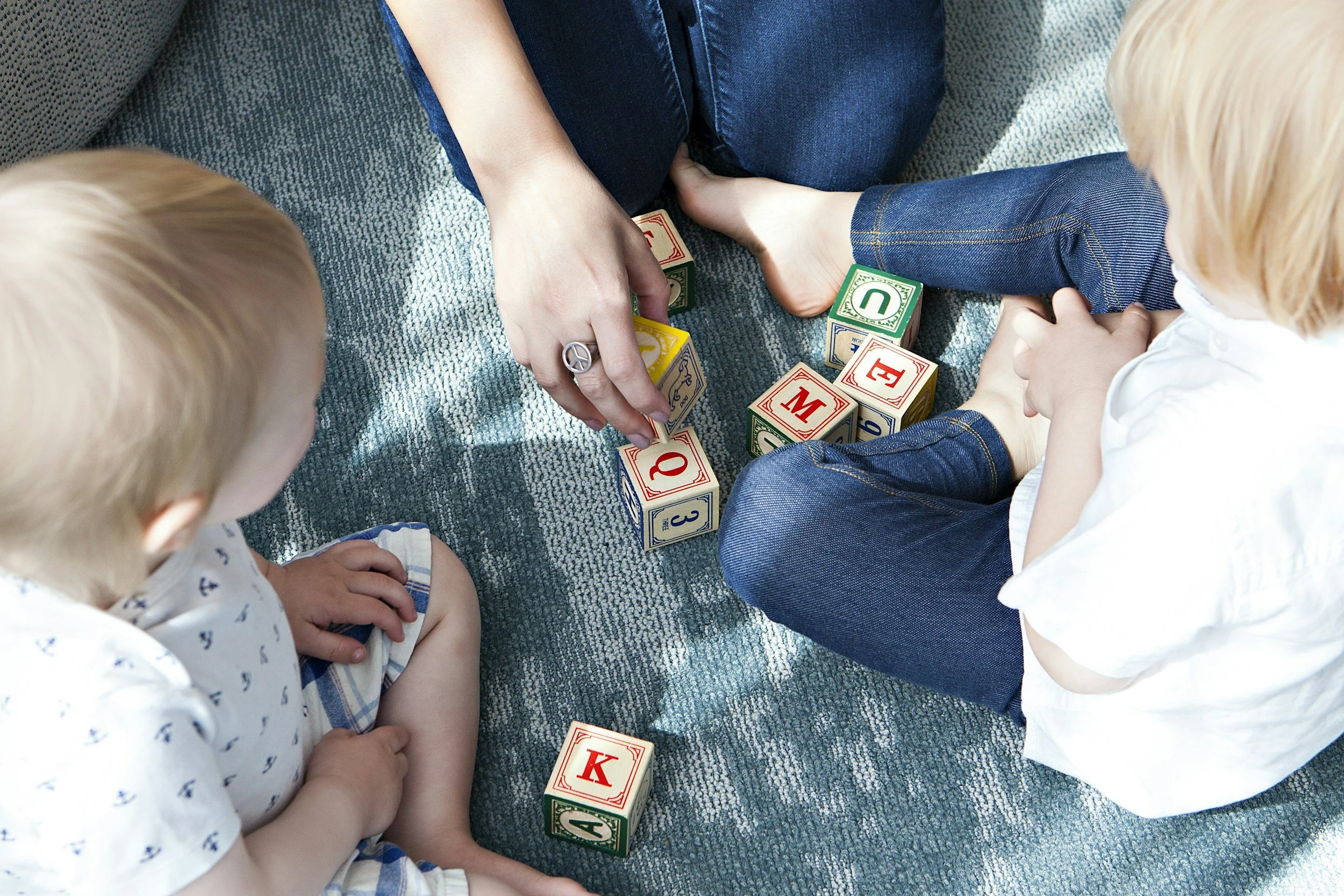
Depending on your child's age and needs, sessions might include play, art, movement, talking, creativity, and other activities that help them express themselves in ways that feel natural and comfortable.
Parents and caregivers are an important part of the process. Along the way, we'll talk about what you're seeing at home, what your child's behavior may be communicating, and ways to support them outside of sessions. My goal is to support your whole family as you build greater understanding, connection, and confidence together.
My Approach to Child Therapy
My approach is developmentally informed, shaped by years of clinical work with children and families, and training through Robyn Gobbel's Baffling Behaviors Institute.
“I believe every child’s behavior tells us something important.”
Rather than asking, “How do we stop this behavior?” I want to understand what your child is communicating and what they may need. My goal is to understand your child’s strengths, sensory needs, experiences, and unique way of responding to the world so that therapy reflects who they are, not who they’re expected to be.
Child-centered
Trauma-informed
Supportive of children & Caregivers
Neurodivergent-affirming
Attachment & Nervous-System Based
I take time to get to know your child's personality, strengths, sensory needs, relationships, and experiences. Some children are highly sensitive, some are sensory-seeking, and some experience emotions very intensely. There isn't one right way for children to learn, communicate, or grow. Therapy should honor who your child is while helping them build the skills and confidence they need.
Parents and caregivers are an important part of therapy. We'll stay connected about what you're noticing at home, what your child's behavior may be communicating, and ways to support them outside of sessions. My goal is to help your whole family better understand one another, so your child feels supported both in therapy and at home.
What to expect
Getting Started
One
Initial Consultation
The first step is a free 15-minute consultation with a parent or caregiver. We'll talk about your concerns, your child's strengths, and the support you're hoping to find for your family.
Two
Getting to Know Your Child
Early sessions focus on helping your child feel safe and comfortable in the therapy space. I'll get to know their personality, interests, relationships, sensory needs, and the experiences that may be contributing to the challenges they're facing. Building trust and connection comes first.
Three
Ongoing Therapy and Caregiver Support
As therapy continues, sessions will reflect your child's unique needs and may include play, art, movement, conversation, or other activities that help them express themselves in ways that feel natural. We'll stay connected about what you're noticing at home, what your child may be communicating through their behavior, and ways to support them outside of sessions.

FAQs
Child Therapy Questions
-
Many families reach out when their child is struggling with anxiety, big emotions, sensory overwhelm, behavioral challenges, school stress, or difficulty expressing what they're feeling. Therapy may also help if your child feels overwhelmed by everyday situations, has a hard time with transitions, or if family life feels increasingly stressful because everyone is trying to figure out what support they need.
-
I work with children and tailor therapy to each child's developmental stage, personality, and needs. During a consultation, we can talk about your child and whether this feels like the right fit.
-
Many children communicate through play, creativity, movement, or other activities rather than direct conversation. Therapy doesn't depend on a child being able to sit and talk about their feelings for an entire session. We'll use approaches that feel natural, engaging, and comfortable for your child.
-
Yes. Parents and caregivers are an important part of the therapy process. While your child needs space to build trust and connection in sessions, we'll also stay connected about what you're noticing at home, what your child's behavior may be communicating, and ways to support them outside of therapy.
-
Yes. Therapy can help children who worry about school, friendships, being away from parents, or other situations that feel stressful or overwhelming. As children feel safe, understood, and supported, they can begin building confidence in managing those worries and feel less alone in what they're experiencing.
-
Yes. Behaviors are often a child's way of communicating stress, frustration, overwhelm, or unmet needs. Rather than focusing only on changing behavior, therapy helps us understand what's underneath those moments while supporting your child in learning new ways to regulate their body, express their needs, and navigate big emotions.
-
Yes. My approach is neurodivergent-affirming and recognizes that children have different sensory needs, communication styles, strengths, and ways of experiencing the world. Therapy focuses on helping children feel understood, accepted, and supported while working with their unique needs rather than trying to change who they are.
-
Every child and family is different. Some children benefit from shorter-term support focused on a specific challenge, while others benefit from longer-term therapy. We'll continue checking in together and adjust our approach based on your child's needs, your family's goals, and the progress you're seeing over time.

Let's Connect!
Ready to take the next step?
Your child doesn't have to carry big feelings alone. My hope is that every child experiences therapy as a place where they feel safe, understood, accepted, and supported exactly as they are.
If you're ready to take the next step, I'd love to connect and learn more about your child and your family's story.